

Roie Yellinek
Download PDF
Sep 20 2025
1
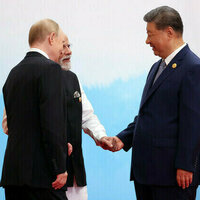
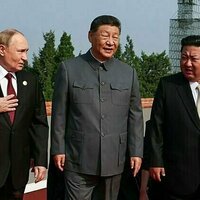
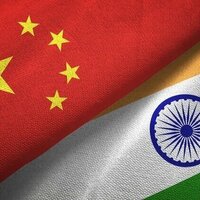
viewsAleksTaurus/DepositphotosTwo recent trilateral meetings hosted by Chinese President Xi Jinping captured global attention. In one, Xi stood with Russian President Vladimir Putin and Indian Prime Minister Narendra Modi. In the other, with Putin and North Koreas Kim Jong-un. On the surface, both scenes suggested a tightening axis against the West. But beneath the symbolism lie very different dynamics. For Western policymakers, failing to distinguish between them would be a costly mistake.
The XiPutinKim meeting represents a classic coalition of grievance. Russia, isolated by its war in Ukraine, leans heavily on Chinese markets and political cover. North Korea supplies Russia with munitions and receives food and energy in return. China gains leverage over both by allowing the relationship to flourish. This triangle is held together by shared hostility to the United States and a common interest in undermining Western dominance. Its logic is defensive but durable, and it is likely to endure as long as Russias dependence and Kims isolation persist.
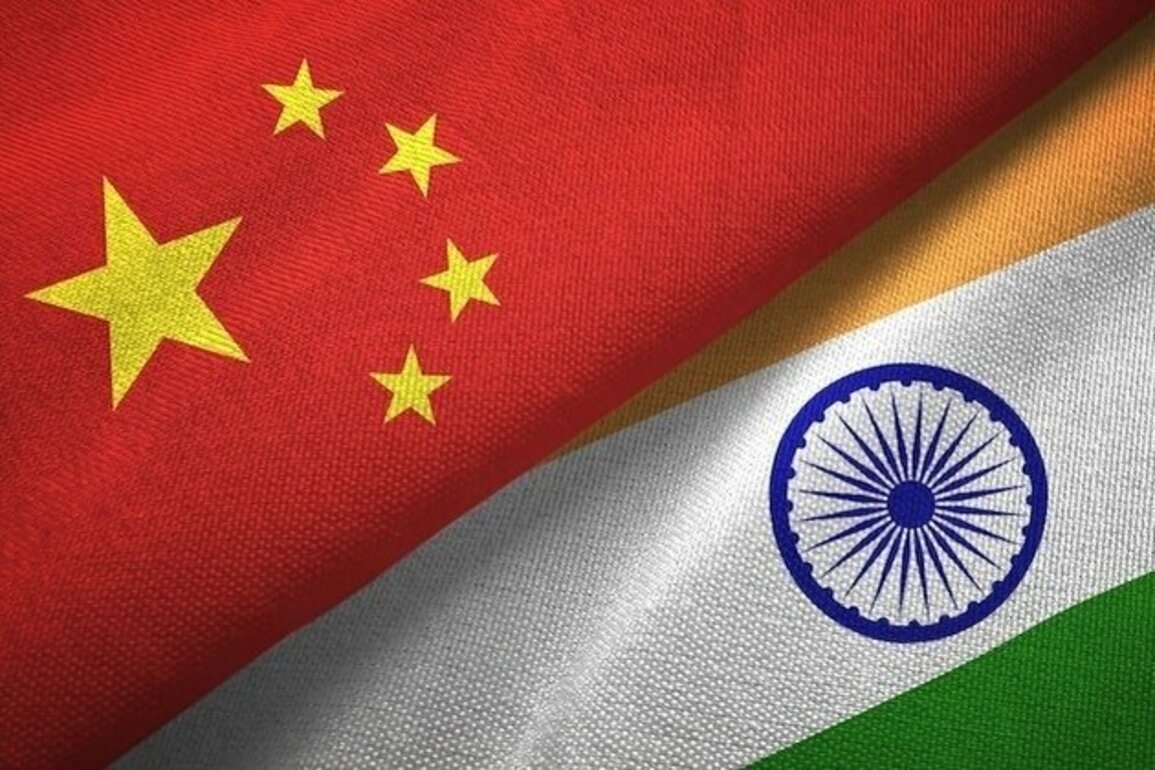
The meeting with Modi looked similar, but rests on much weaker foundations. Indias participation in the Shanghai Cooperation Organization (SCO) and BRICS reflects a long tradition of hedging rather than alignment. Modi shook hands with Xi and Putin not because he trusts them but because he wants to signal independence from Washington after recent frictions. U.S. tariffs on Indian oil exports and loose talk of mediating in Kashmir played directly into Beijings hands. Still, New Delhi has no illusions about Chinas intentions. Border clashes, economic rivalry, and Beijings partnership with Pakistan ensure that trust will remain elusive.
India has always valued room to maneuver. During the Cold War, it led the Non-Aligned Movement. Today, it balances multiple partnerships: joining the Quad with the U.S., Japan, and Australia, while also maintaining seats at the SCO and BRICS. Modi calls this strategic autonomy; critics call it opportunism. In practice, it is Indias way of extracting maximum benefit without binding commitments. Xis dragon and elephant metaphor conceals the reality that the two countries interests collide more often than they converge.
Recent U.S. tariff rhetoric briefly amplified Beijings narrative, but Washingtons latest conciliatory tone and resumed trade talks with New Delhi suggest a course correction rather than a structural shift. The key difference between the two triangles is their durability. The XiPutinKim grouping is bound by shared dependence and common enemies. The XiPutinModi gathering is more theater than alliance. Indias presence reflects irritation with the current U.S. administration, not a fundamental shift. Unlike Kim, Modi does not need China for regime survival. India still turns to the West for technology, markets, and security partnerships.
Some observers argue that Modis willingness to appear alongside Xi signals a decisive Indian tilt toward Beijing. But this interpretation underestimates the depth of mistrust between the two Asian giants and the structural incentives that tie India to the West. Unlike Russia or North Korea, India seeks global integration, investment, and technological advancementobjectives Beijing cannot deliver without imposing costs that New Delhi is unwilling to bear.
The danger lies in overreacting. If Washington interprets Indias participation in Tianjin as a strategic betrayal, it may push New Delhi closer to Beijing. A better course is to stay patient and pragmatic. Indias long-term interests, checking Chinas power, building its economy, and modernizing its military, align more with the West than with Beijing. Signs from Washington and New Delhipublicly framing the relationship as natural partners while resuming trade talksindicate that narrative discipline works; it should be sustained and coupled with functional cooperation.
First, narrative discipline. Western leaders should publicly frame India as a partner of choice rather than a wavering ally. By emphasizing respect for Indias autonomy and civilizational pride, the West can soften the appeal of Beijings rhetoric about Asian solidarity. Second, functional cooperation. Rather than waiting for a grand alliance, the U.S. and Europe should focus on practical wins: co-developing critical technologies, securing supply chains, and expanding defense training. These build trust incrementally without demanding exclusivity. Third, soft-power investment. Indias middle class is growing rapidly, and educational, cultural, and linguistic exchanges are arenas where the West can deepen its influence at relatively low cost. Supporting people-to-people ties offsets Chinas efforts through Confucius Institutes and state media.
Xis two trilateral meetings tell different stories. One signals entrenched authoritarian solidarity; the other reflects Indias desire for autonomy and leverage. For the West, the task is to read the signals carefully and act with restraint. India is not lost to Chinait is weighing its options. Strategic patience, coupled with cultural outreach and steady cooperation, will ensure that when India decides where its future lies, the West remains its most natural partner. Over the next 12 months, the probability of a durable Indian tilt toward a ChinaRussia axis remains low, given resumed U.S.India negotiations and Indias structural incentives in Western markets and technology.
Further Reading on E-International Relations
- Opinion Modis Strategic Moscow Visit
- India-China Rivalry and its Long Shadow Over the BRICS
- Opinion The Galwan Valley Standoff Could Spell the End of South-South Romance
- Threat Perception, Competition and the Quest for Hegemony in China-India Relations
- Opinion Trumps Tariffs are the Incentive the BRICS Needed
- Darkening Waters, Gathering Storm: Sino-Indian Water War on the Brahmaputra River
About The Author(s)
Dr. Roie Yellinekis a specialist in the relationship between the Middle East and North Africa (MENA) and China, as well as the Great Power Competition (GPC) and global trends. He earned his Ph.D. from Bar-Ilan University in Ramat-Gan, Israel, and works as a strategic consultant. Previously, he worked as a research associate at the Begin-Sadat Center for Strategic Studies (BESA), a non-resident scholar at the Middle East Institute (MEI) in Washington, and as a lecturer at Ono Academic College and Reichman University.
TagsChinaIndia