

The world is on the edge of an abyss;independence and sovereignty must be struggled for if we are to live in anything like peace and security as capitalism unravels, warns DrWilliam Briggs.
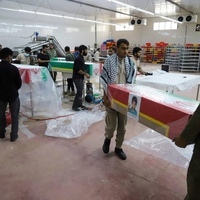
THE FACTORY WORKERin Tehran, the shopkeeper in Beirut, the taxi driver in Tel Aviv all share one desire. They all want a chance to live in peace and yet all are denied that simple wish.
These workers, their families, and billions like them around the world should not have to live in fear. Their immediate futures and their very lives are dominated by other forces. All want a ceasefire to become a lasting peace, but the Middle East is unlikely to know lasting peace, or at least not until a fundamental change takes place.
The world, for good or ill, and most certainly the balance is on the side of ill, remains dominated by the economic rules of capitalism. Economies must expand, economic power must be maintained and profit must grow. National economies are tied to globally linked corporations. Security in such a world comes from exerting pressure, enforcing power and keeping rivals at bay. None of this is good news for any of us and the more so if you happen to live in oraround the oil-producing Middle East.
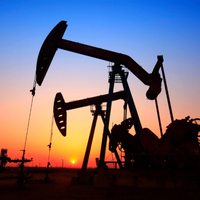
Economic power, strategic interests and great power rivalry focus on the region and have done so for decades.Whomsoever controls the oiland the geography of the region controls the world. The thinking has not changed, but things have been changing. Capitalism is simply no longer able to exist in an ever-expanding economic universe of its own creation. The economic crisis is affecting the entire global market. Economic blocs vie with each other for survival. Economic pressure and military threat become more pronounced as this crisis deepens.
And central to this is the steady decline in U.S. power as its arch-rival and competitor, Chinas star rises.
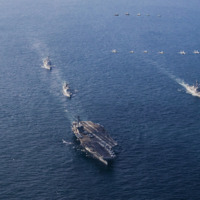
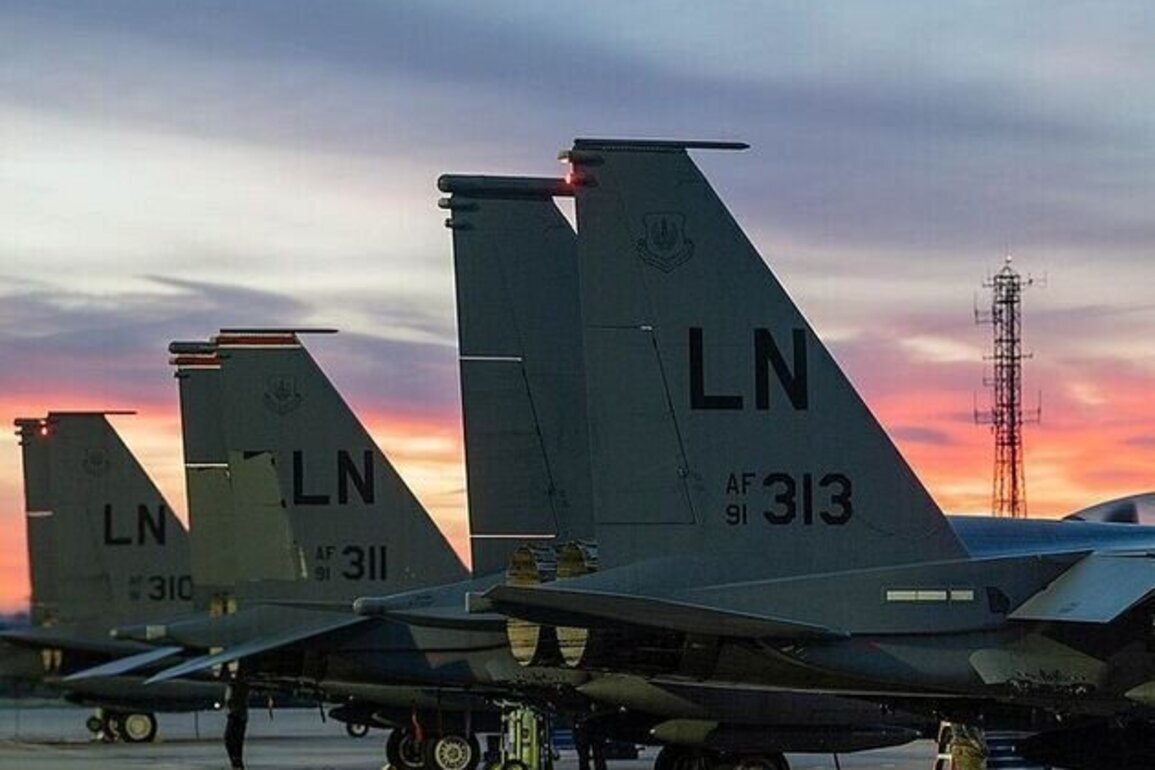
American war strategy and the need for independenceAmerica's increasingly flaky military strategy under successive regimes stresses the importance of Australia going its own way.
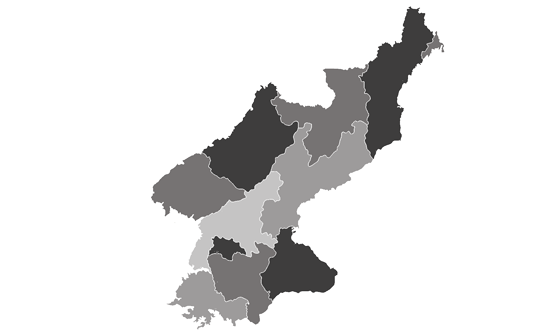
The U.S., in happier, more stable days, could be assured that such an important region as the Middle East was securely within its orbit, but no more. As the world scrambles for control of natural resources, the U.S. has described China, Russia, Iran and North Korea as anauthoritarian axis, which is but a rebranding of George W. Bush'srhetoric of an'axis of evil'.
Iran sells oil to China, China sends money to North Korea, and North Korea sends weapons to Russia. This is doubtless the case, but it is how the U.S. and its allies have always operated. It is called global trade or rather international relations, or, in the case of an"enemy",a link in an unacceptable "authoritarian"chain.
For the Middle East, this has meant a need, on the part of the U.S., to choke Iran, thereby cutting off, at the source, the global interactions between its designated enemies.
It has led to war. The war was premeditated and unprovoked. The Iranian regime is by any standards a reprehensible one, but change can only come from within and not from the smoking barrels of American guns or from missile attacks.
The war, like all wars, is about power, control and economic strength. The war, like all wars, promotes nationalist responses. The region is now more dislocated than ever and all the old verities are being shown to be shattered.
This particular outburst of imperial rage did not spring from the air. It has, for the U.S.and for its placeman, Israel, an absolute need and that is to stall the loss of American domination of the region and its slide from global hegemonic power.
The war against Iran: Lessons still unlearnedThe war that has been unleashed on Iran by the United States and Israel has quickly turned into a debacle and is bringing misery to the Iranian people.
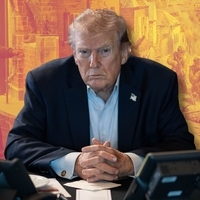
This self-evident truth allowed the U.S. Secretary of State,Marco Rubio, speaking earlier this year, to proclaim that what was at stake was a struggle for therevival of Western civilisation. That call for a renewed imperialist and colonialist world order had its terrifying echo when Trump declared that 'a civilisationwilldie' when he threatened Iran.
That apocalyptic vision remains unfulfilled, but Rubios call for a revival of Western civilisation is still very much on the agenda. It means, in effect, a continued U.S.-dominated capitalist order, with vassal states being coerced and national sovereignty a fading concept.
While Canute might demand that the tide not rise, the reality is thatcapitalism is in crisisand a great struggle between rival capitalist superpowers rages to determine who will reign briefly supreme. The tide still rises.
Israel, which has played an ever more important role in maintaining U.S. power in the region is increasingly isolated and survives because of its military might and the might of its American sponsor.
What should be obvious to all with eyes to see, is that the status quo in the Middle East cannot remain. The genocide in Gaza, the destruction of the West Bank, the barbaric attacks on Lebanon will never secure peace. Those who firmly state that Israel has a right to exist are correct, in so far as any state has a right to exist. Whether a state exists in perpetuity is another matter. How it is governed is still another.
The Israeli regime cannot continue in its present state of perpetual war. What today seems an impossibility may well become a necessity. That possibility is for a democratic, secular state that admits the equal participation of all, including the Palestinian people. Security and peace for all would demand a multi-ethnic state. That will never be countenanced by the U.S., which demands a strong and belligerent ally in the region to act as a sub-imperialist power, but things have changed and are changing.
Waning world order: Ethics in the age of great power politicsA structured, ethical approach to de-escalation of the U.S.-Israel-Iran War with a pathway toward sustainable peace is needed.
Survival and self-interest, or subservience to the dictates of a fading imperial power. Independence or subjugation. These should not be choices. A better way is possible. None of that would diminish the crisis that plagues capitalism, but American capitalism would not fall if it sought to deal equitably, first with its allies and then with its rivals. That, of course, is a fantasy.
Capitalism is not about sharing. Global power is not about working for the common good. The problems that beset capitalist relations in the 21st century have led to the war in Iran. Those same problems see a threat of a regional war escalating into a global war. Those problems see the constant building up of arms industries and finding enemies where there are none. It drives a war mentality that would see Australia drawn into an American war against China.
What then is to be done? The call must be: no to war, no to U.S.-inspired wars, no to economic enslavement. The call locally, nationally and globally, for national independence and the striving for mutual benefit in the name of peace, stability and security needs to be heard.
The factory worker in Tehran, the shopkeeper in Beirut, and the taxi driver in Tel Aviv are no different from their Australian counterparts. We all share a common humanity and a common enemy. Capitalism will go on tearing itself and the world apart, but we can and must demand the right to a decent life and to a future.
DrWilliam Briggsis a political economist. His special areas of interest lie in political theory and international political economy. He has been, variously, a teacher, journalist and political activist.
Related Articles
- Who's making money? The arsenal trade after Ukraine and Iran
- Waning world order: Ethics in the age of great power politics
- Donald Trump and the Iran War path to madness
- American war strategy and the need for independence
- Iran War has exposed Australias vulnerabilities and misplaced priorities