

The 2015 nuclear accord with Iran cannot be the starting point for a new agreement with the country, the head of the International Atomic Energy Agency (IAEA) said on Wednesday in New York.
With top diplomats gathered at UN Headquarters to review the 1970 Treaty on the Non-Proliferation of Nuclear Weapons (NPT), the UN Secretary-General warned that it must evolve to survive the age of AI and other new technologies.
Rafael Mariano Grossi was speaking during a press conference at UN Headquarters held on the margins of the latestinternational review ofthe nuclear non-proliferation treaty (NPT).
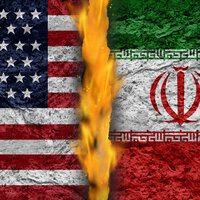
He said theJoint Comprehensive Plan of Action(JCPOA)agreedbyIran and the five permanent members of theSecurity Councilplus Germanyand the European Unioncould not constitute a basis for a new deal and we need to look into something differentas Irans nuclear programme has changed too much.
Mr. Grossi was also asked about enriched uraniumwhich isreportedlynowburied under rubble following recentUS-Israeliairstrikes in Iran.
TheIAEAwas inspecting highly enriched nuclear material up until June 2025, he said, and teams sealed some 440 kilogrammes of uranium during their last visit so we need to check that that is the case.
He stressed thatuntil inspectors can return, the agency cannot confirm that this is the situation.
Addressing the NPT meeting, Mr. Grossi called for renewed commitment to non-proliferation, warning thata world with more countries with nuclear weapons would not be a safer world.
ICAN
Protestors voice their opinion about nuclear weapons.
Nuclear testing threats
Meanwhile,at a time whenglobaltensions persistandmultilateralism is underattack,efforts toprohibitnuclear testingremain crucial, the head of the organization that overseesthe Comprehensive Nuclear Test-Ban Treaty (CTBT)toldjournalists.
We see multilateralism under intense pressure, various elements of treaties that are important forinternational security under pressurerhetoric about threats of nuclear testing, returning to testing, and even concerns about possible use,Executive SecretaryRobertFloydsaid.
This is why the work of organizations such as the CTBTO to seek to limit the spread of nuclear weapons and the further development of them is so critically important.
Near universal support
Thetest-ban treatyforbidsall nuclear explosionson the planet whether above ground, underwater, or underground.
TheCTBTopened for signature 30 years ago andhas almost turned off the tap when it comes to nuclear weapon testing, as fewer than a dozen tests have taken place sincethen.
Mr. Floyd described it asa treaty that has almost universally supported a ban on nuclear testing, no matter what sizewith a verification system that gives nations confidence, so that there is a powerful norm against testing.
Not yet in force
Although187 Stateshavesignedthe treaty, with178 ratifying,ithas not yet entered into forceas thisrequiresratification by ninekey countries with nuclear technology - China, Egypt, India, Iran, Israel, North Korea, Pakistan, Russia, and the United States.
Mr. Floyd was later asked if therehadbeen any movementin this regard.
I think it's fair to say that we need to see a way that the United States of America, the Russian Federation and the People's Republic of China, might be able toaddress the treaty and its ratification together, he said.
It is, I think, quite unlikely that any one of them would moveon thatwithout the others simultaneously moving together. And that certainly is something that I would encourageall ofthoseStates to consider, and that would certainly be a powerful step forward.
Verification system
On monitoring, he said the verification system is already over 90 per centestablishedand 307 facilities are in place around the world andoperating.
All of the six North Korean tests were detected, even the very first one, which was quite small, he said.
Theverification systemwill allow the CTBTO todetect nuclear explosions of 500tonnesof TNT or aboveorroughly twoto three per cent of the atomic bomb dropped on the Japanese city of Hiroshima during the Second World War.
It will be a powerful benefit to all humanity, because any State that thinks of developing a nuclear weapon would need to test oneandif they did, it will be known to all.
Combating disinformation
Mr. Floyd also highlighted another aspect ofhisorganizationsworkaddressing disinformation around seismic events, as happened in late 2024regardingIran.
Social media got very excited as people were claiming those seismic events to be nuclear tests, he said.But theanalysis done by my colleagues showed that those events were entirely consistent with natural seismic eventsearthquakesin northern Iran.
More work ahead
Mr. Floydended his briefingby reflecting on the past three decades.
So much has been achieved, so much hasbeen contributedto international peace and security, but there still is so much more that we need to achieve, he said.